
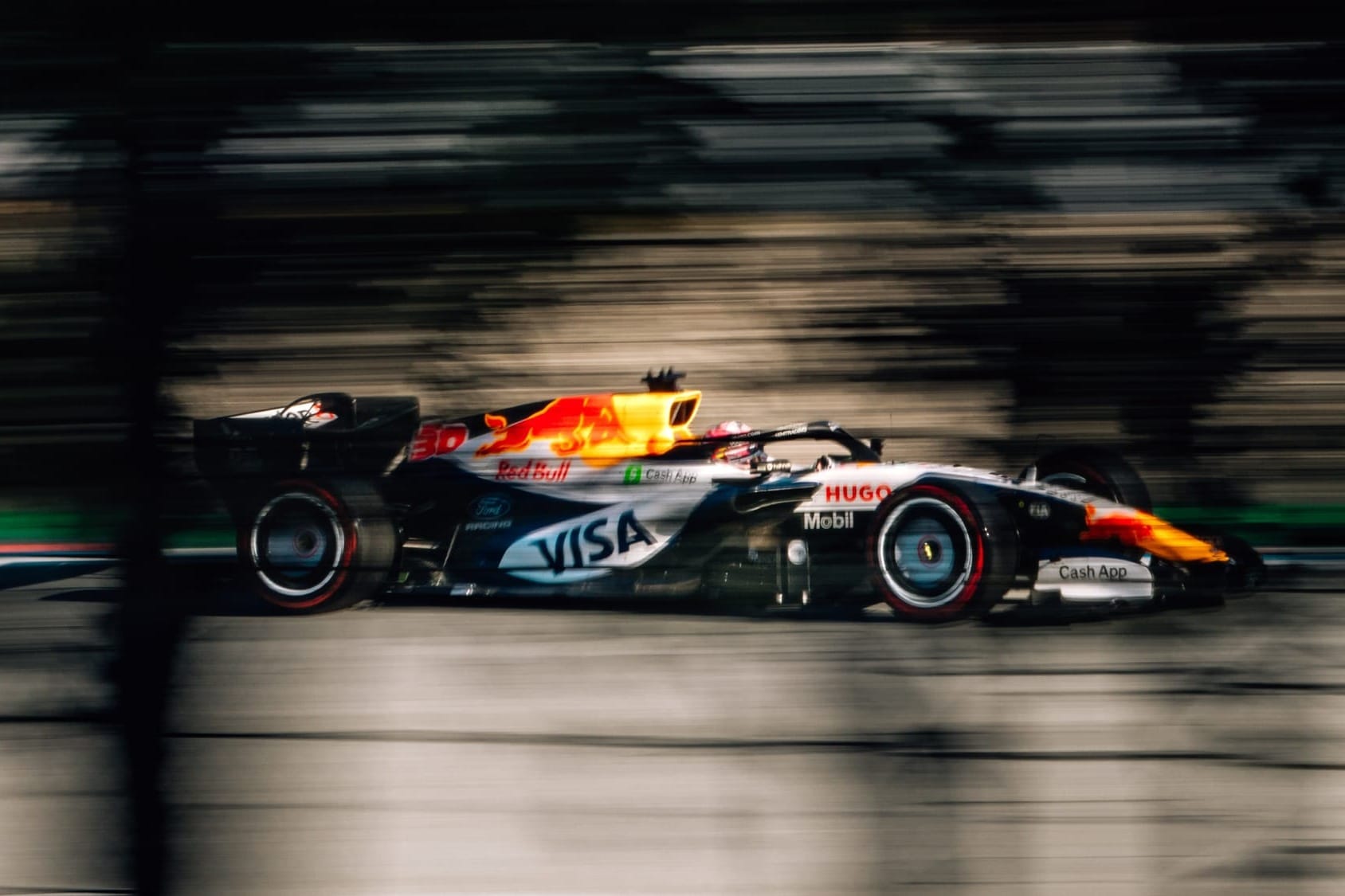
Formula 1 is heading into a 2026 season where energy management is going to be critical to laptime.
But while the primary headache for this will be in races - because pace needs to be maintained over consecutive laps - it is going to be just as important in the shootout for grid positions.
In fact, as drivers and teams have discovered during pre-season testing, the new cars' lack of energy means any hope of at least their qualifying efforts being free of worries about battery deployment has vanished.
Drivers will need to think carefully about harvesting energy and how they use it, which in turn has consequences in terms of traffic and tyre management as well.
It all looks set to make each of the three qualifying segments potentially even more fraught than they have been previously.
Here are some of the implications that the new cars have on how drivers will attack qualifying.
Easing out of the final corner
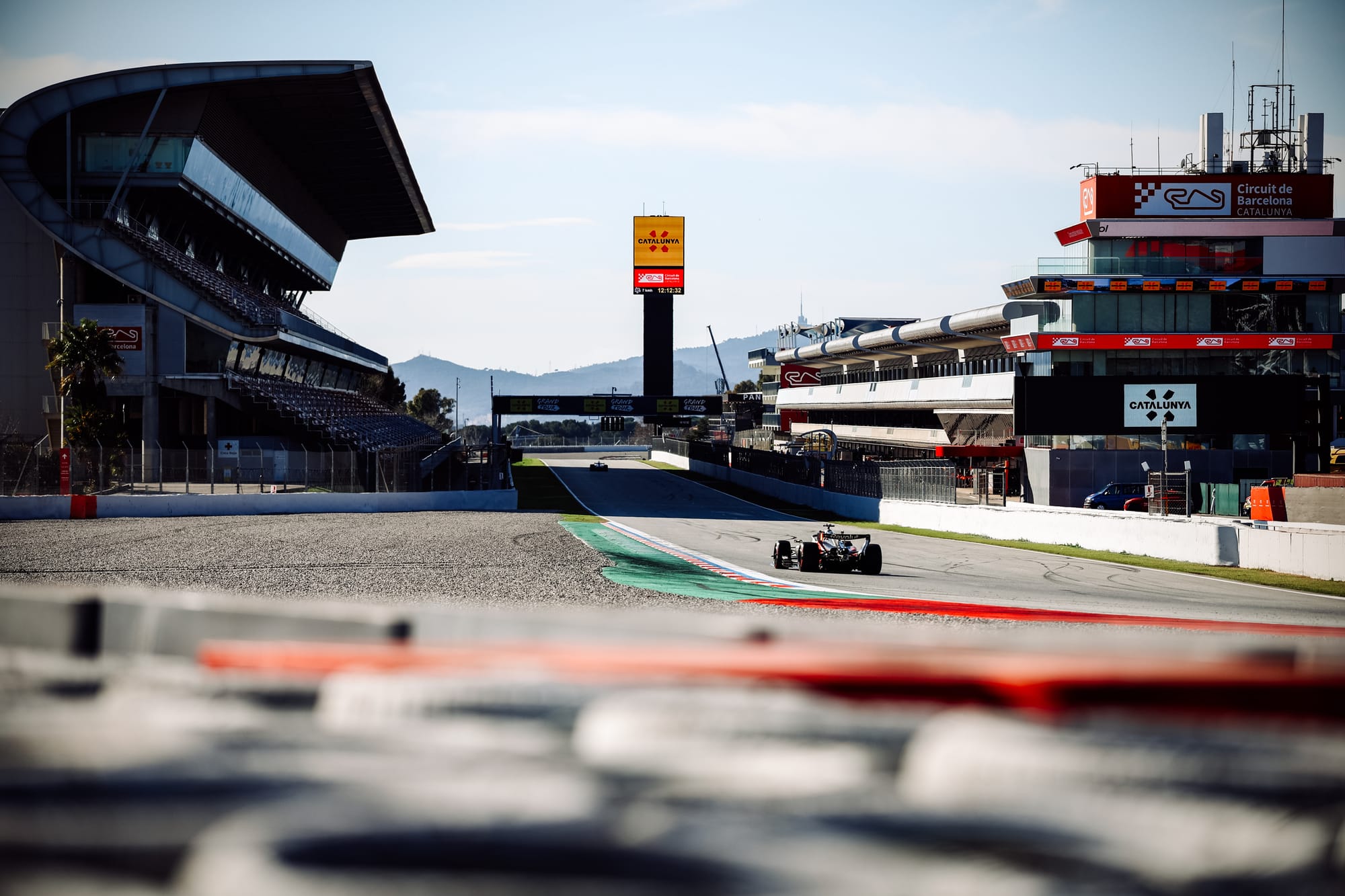
In the past, it was obvious to drivers that the key to starting a qualifying lap in the best way was to make sure they were going as quickly as possible when they crossed the start/finish line.
This normally meant ensuring that the exit from the final corner was perfect, and that drivers were flat on the throttle as early as they could be to maximise top speed.
Such an approach is off the table now because any early use of full throttle prior to the start/finish line will result in the battery getting drained.
And that will cost time later in the lap when the missing power could have been put to use somewhere more suitable.
This is why one of the quirks of the quick laps in the Bahrain test was that drivers were no longer coming out of the final corner flat-out before a push lap.
They were being cautious with the throttle, to ensure no battery power was being used, before committing at a predetermined point before the start/finish line to putting their foot down fully.
This point where they accelerate will be based on best balancing the compromises between starting the lap slightly slower versus gains to be had later on thanks to having a bit more battery available, and the peak speed profile for the entire straight.
At some tracks where there is not much distance between the exit of the final corner and the timing line, like Melbourne for example, the need to back off coming out of the final corner will not be so great.
But if the straights are longer - such as at Monza or in Baku - then that could prompt some strange antics ahead of the qualifying laps.
Not driving flat-out
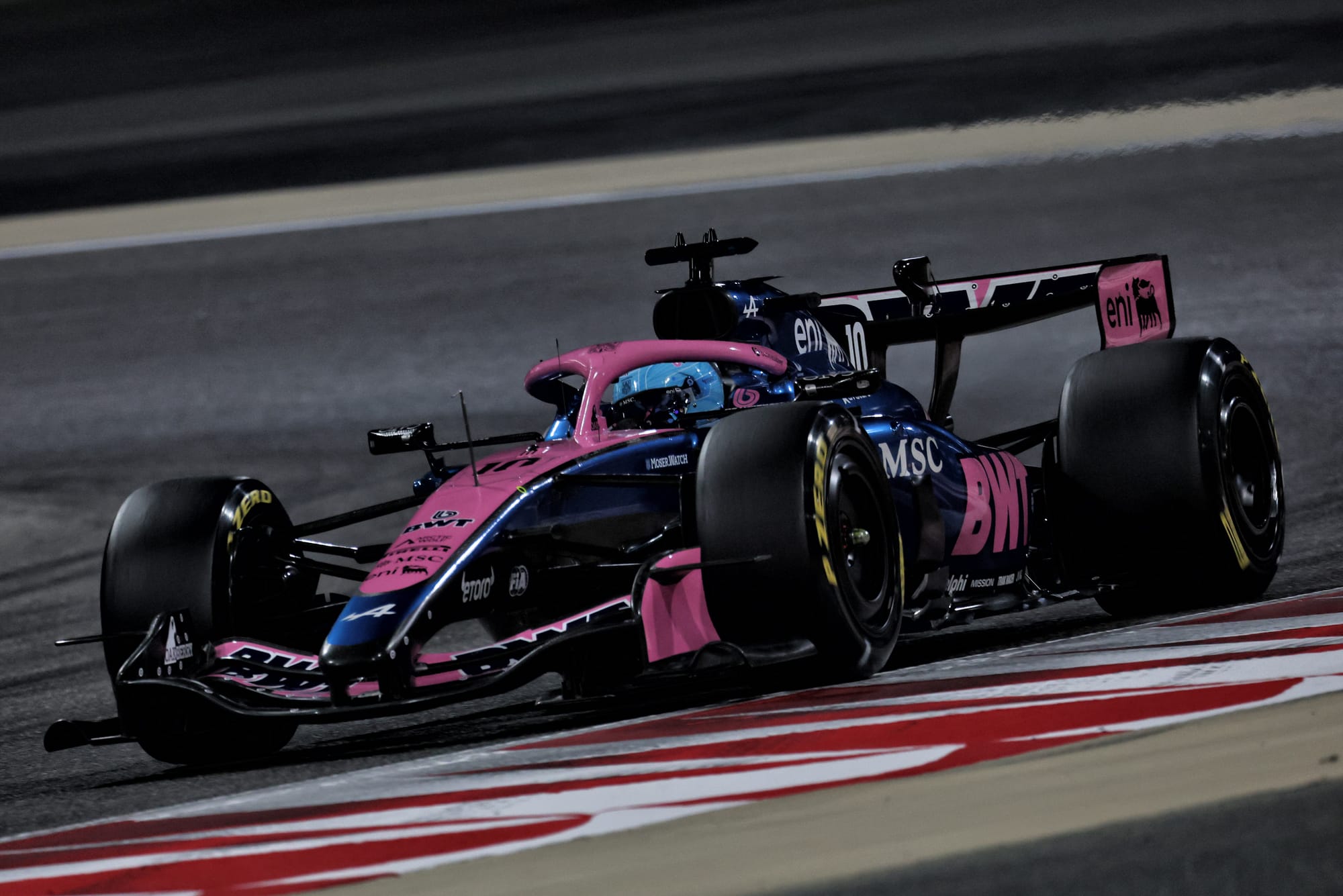
The obsession with maximising the use of the limited energy means that drivers are no longer going to be able to attack at every corner.
Depending on the layout of the track, there could be calls for some super clipping - the new 2026 phenomenon where the cars harvest energy while on full throttle - or even lift-and-coast tactics that compromise the entry to one corner, because the power harvested delivers a bigger boost somewhere else than the time lost gathering it.
But how frequently such tactics appear remains unknown for now. Although teams ramped up performance runs at Sakhir, it is a track that is quite easy for harvesting.
As Lewis Hamilton explained: "If you look at Barcelona for example, you're doing 600 metres lift and coast on a qualifying lap. That's not what racing is about.
"Here [Bahrain] we're not having to do that because there's lots of braking zones."
Two of the most difficult tracks for recovering energy - Albert Park and Jeddah - come early in the season, so we may get an early glimpse of how bad things can be.
And it could be that, at those tracks, the fight for pole is decided by who manages to harvest the most energy, rather than who is quicker through the corners.
Adopting more lift and coast, and super clipping excessively in the high-speed sections, could be the way to go if the gains on the straights are worth it.
Battery vs tyre conundrum
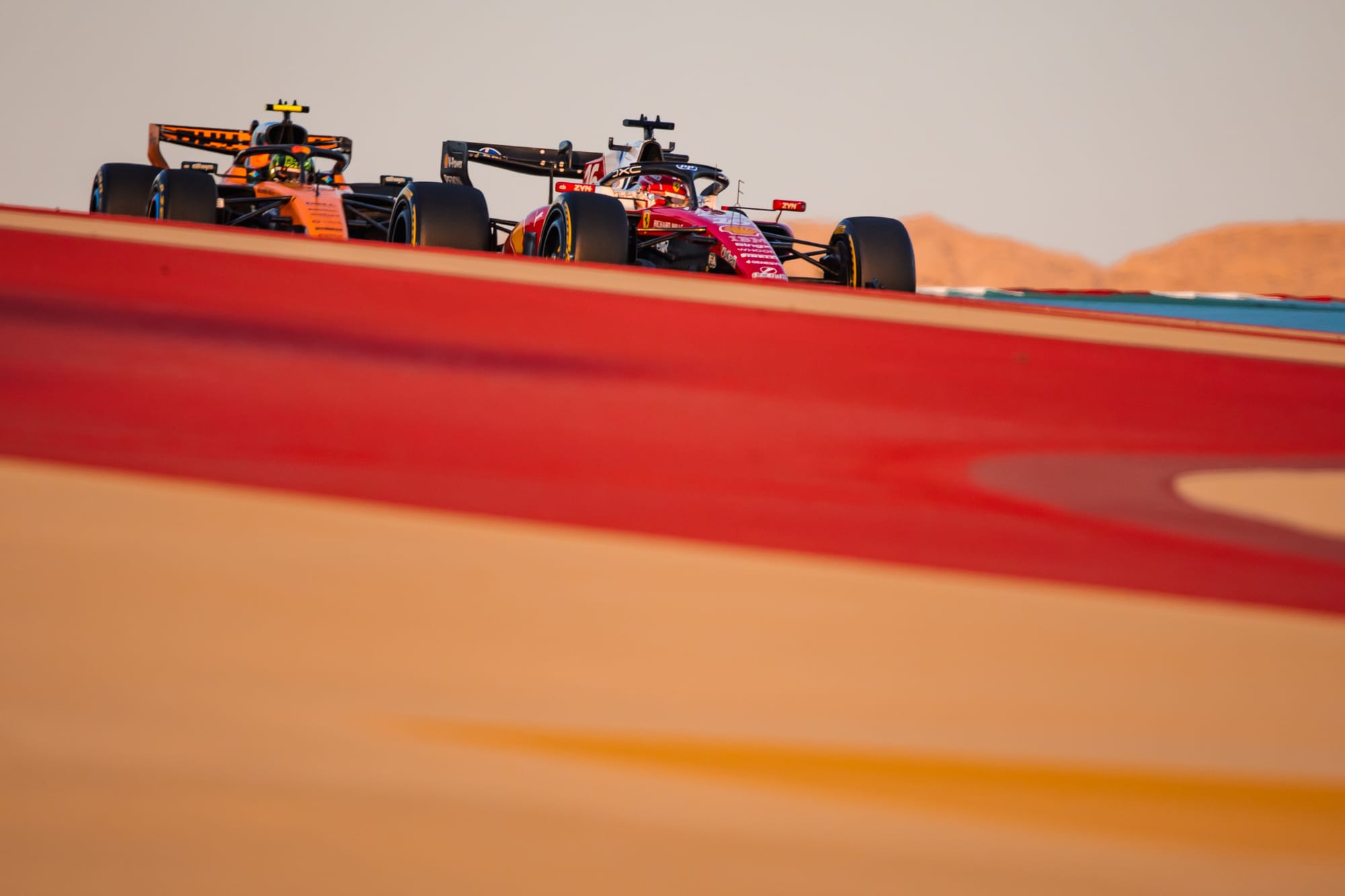
The need to make sure the battery is fully charged for the start of the qualifying lap means that it is not just important to be cautious with the throttle out of the final corner; drivers will need to do it over the whole lap.
This means ensuring that harvesting is maximised ahead of the push lap. And then, once the battery has hit its peak potential, all its energy is saved until the point a driver crosses the line.
Achieving this successfully will potentially mean driving in an unusual way in final sectors, which could include some super-cautious driving at minimal throttle.
While this tactic will be great for maximising battery, it is not going to be good for some other elements that are equally important for qualifying.
One of the key considerations for a good qualifying lap is making sure that tyres are in the right window, so they are neither overheated nor too cold at the beginning of a lap.
More often than not the final sector is the best opportunity to get everything fine-tuned in this area.
However, if drivers find themselves having to back off because of battery considerations, then a drop in speed here could trigger a resultant loss in tyre temperatures too.
So, the tenths you gain from the battery could be outweighed by time lost with underprepared tyres.
Going slowly in the final sector will have implications in terms of traffic and managing gaps to the cars ahead, too. There will be an increased risk of drivers getting caught by someone else coming up fast behind.
Drivers will also need to be very mindful about staying above the delta times and being within the maximum laptime laid down by the F1 race director.
So they could be forced to get a hurry on if they find themselves at risk of a penalty.
Double prep laps
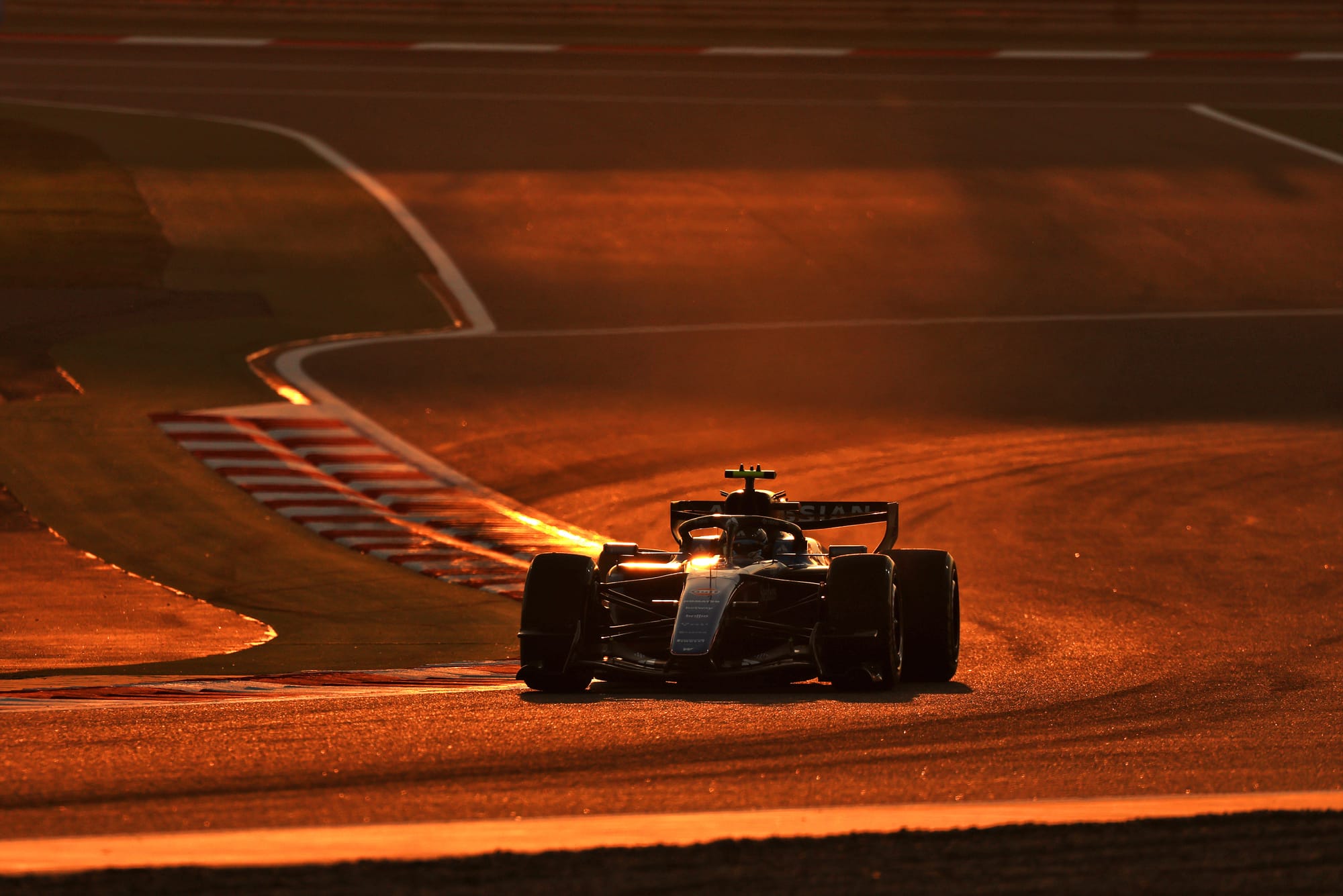
The risk of potential tyre trade-offs coming from making sure that the battery is in the best shape possible could mean a complete rethink of how teams approach qualifying.
At some tracks where keeping temperatures down is the primary objective, it may be a bit easier to tick off both the battery and tyre boxes.
But at some low-energy or colder circuits, where tyres at the front and the rear need to be at optimum temperatures, that may prove impossible to do on a single lap if drivers also want to nail the energy management too.
One avenue that teams were exploring during the Bahrain test was to have two preparation laps prior to a qualifying effort.
The first could be used to get the tyres up to the right temperature and ensure the battery was close to where it needed to be.
Then, with a bit of an attack over the first half of the second lap, easing off to preserve energy for the last sector could mean everything was perfectly prepped.
But amid extra complications caused by two extra cars being on track this year, with Cadillac's arrival, completing two preparation laps will not be suitable everywhere.
So this is why teams could have to start looking at different ways to get their tyres in the right window.
Blanket tricks
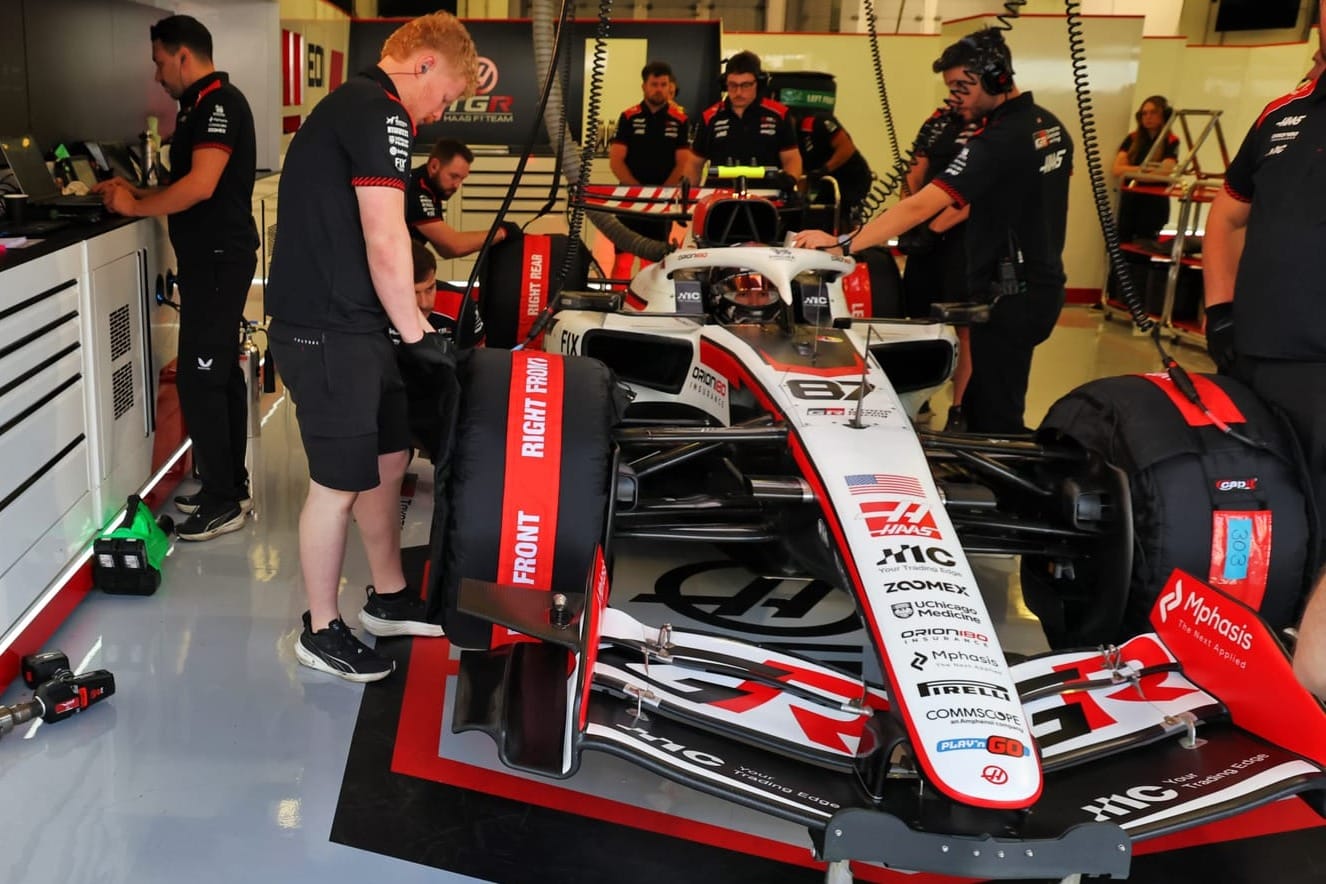
What teams will quickly need to understand is whether a perfect preparation lap for the battery can be done in conjunction with getting the tyres sorted too.
And if the preference is not to do two preparation laps - because that can compromise run programmes throughout each qualifying segment - then there may be another way.
Pirelli's Mario Isola - who will step back from his head of motorsport role on March 1 - said if the key is balancing the front and rear tyre temperatures perfectly, then teams could start choosing not to heat one axle to help on this front.
"We give them prescriptions on the maximum temperature they can use in the blankets," he said. "So to balance front and rear, someone could try to lower the temperature of the rear blankets to balance the two.
"[In testing] they have done some experiments and tried different solutions. So the outlap plus a preparation lap is an option, but also playing around with the blanket temperature is another option."
The basics still matter
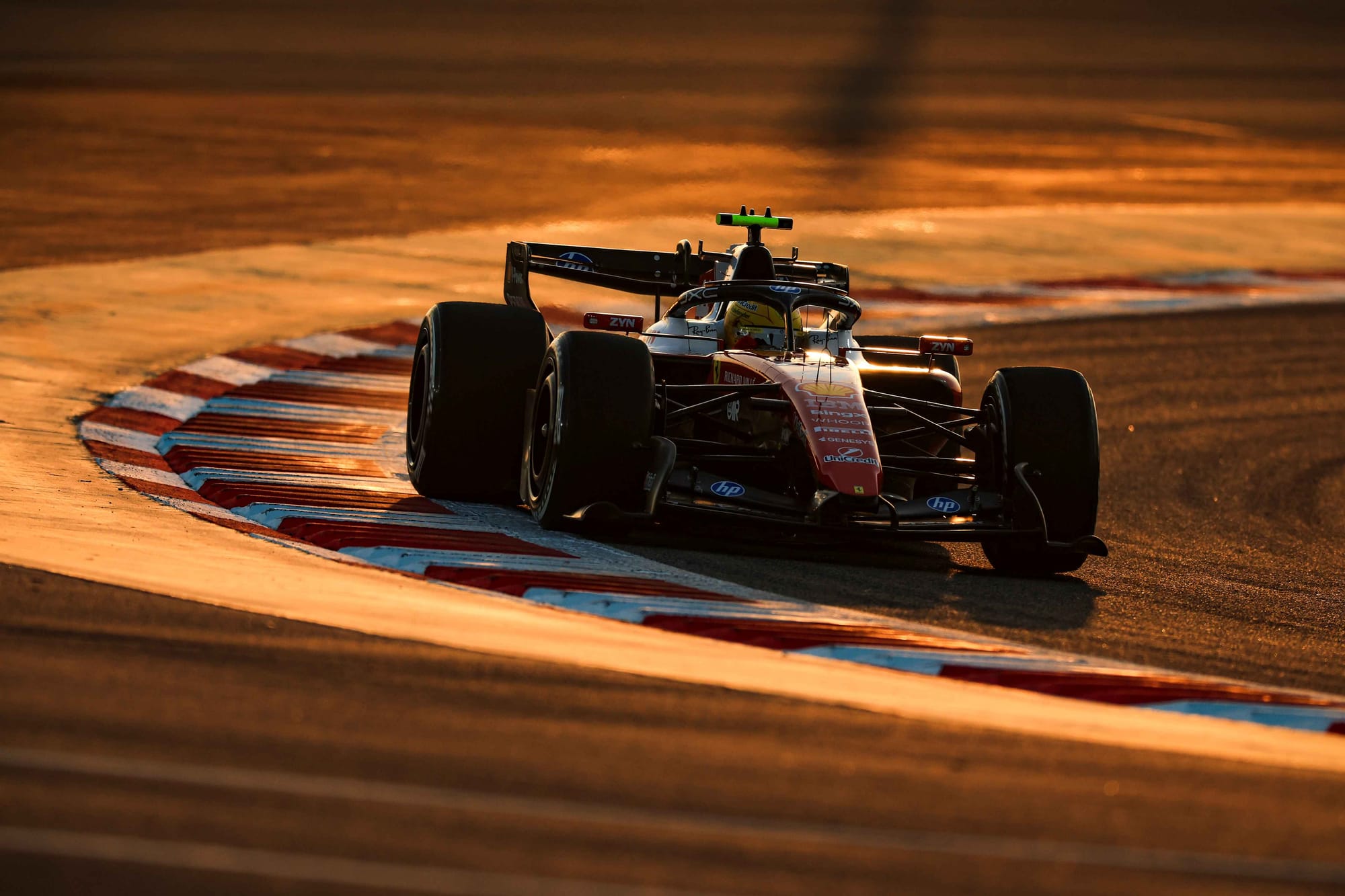
While so much effort is going on right now for teams and drivers to nail the energy management requirements, there is also a reality that this alone will not decide the fight for pole.
Ultimate laptime is still the result of a host of elements coming together, some of which will not be related to good or bad use of the battery.
Ferrari team principal Fred Vasseur said he has been ramming home to his staff that key factors which dictated the success or failure of qualifying efforts in the past still remain in place.
He said examples of last year - such as laptimes swinging by six or seven tenths with identical cars simply because of different outlaps putting tyres in or out of their peak parameters - can be repeated this year too.
"We don't have to forget what we did in the past and to just focus on energy management or whatever," he said. "It's important, it's key for laptime. But all the other old parameters of F1 and motorsport are still there, and still have the same importance.
"I think it would be a mistake, and as I am one of the oldest in the team I'm trying to bring this on the table each week: we don't have to forget the basics."
from The Race https://ift.tt/nQUPYHy


No comments: